
Is Art More "Real" Than Reality? What Hegel Taught Us About Deeper Truths
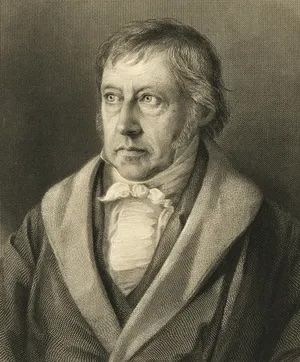
We all experience life moment by moment. We eat, we walk, we talk – a constant stream of events that make up our "ordinary reality." But have you ever looked at a painting, read a poem, or listened to a piece of music and felt something more profound than the everyday? Something that seemed to capture a deeper truth, a more lasting essence of that moment?
This feeling isn't just in your head. The philosopher G.W.F. Hegel explored this very idea, suggesting that art doesn't just imitate reality; it can actually present a higher form of reality [1].
The Fleeting Nature of Everyday Moments
Imagine yourself in a bustling restaurant or a quiet cafe. You're there, you're experiencing it, but your mind is likely occupied with immediate concerns – your food, your conversation, what you need to do next. The moment itself, while real, is transient. It passes, and often, the specific details fade from memory, leaving only a vague impression.
Hegel would argue that this immediate, empirical reality, while undeniably present, is often fleeting and lacks a deep, self-conscious reflection [2]. It's like a snapshot without a story.

Art: Unveiling a More Self-Conscious Reality
This is where art steps in. By its very nature, art allows us to apprehend spiritual truths through sensuous means [1]. It takes the raw material of existence and shapes it, reflecting on it, and presenting it back to us in a way that reveals its deeper significance [3].
Consider a fine art portrait. When you look at a photograph of a person, it captures a likeness at a specific instant. But a fine art portrait, like those by masters of the craft, does more. It can capture the subject's inner life, their personality, a particular mood, or a timeless quality that transcends the fleeting moment of its creation. The artist, through their skill and insight, imbues the portrait with a self-conscious reflection of the subject, offering a reality that feels more enduring and meaningful than the simple, unexamined experience of being that person on an ordinary day [3].
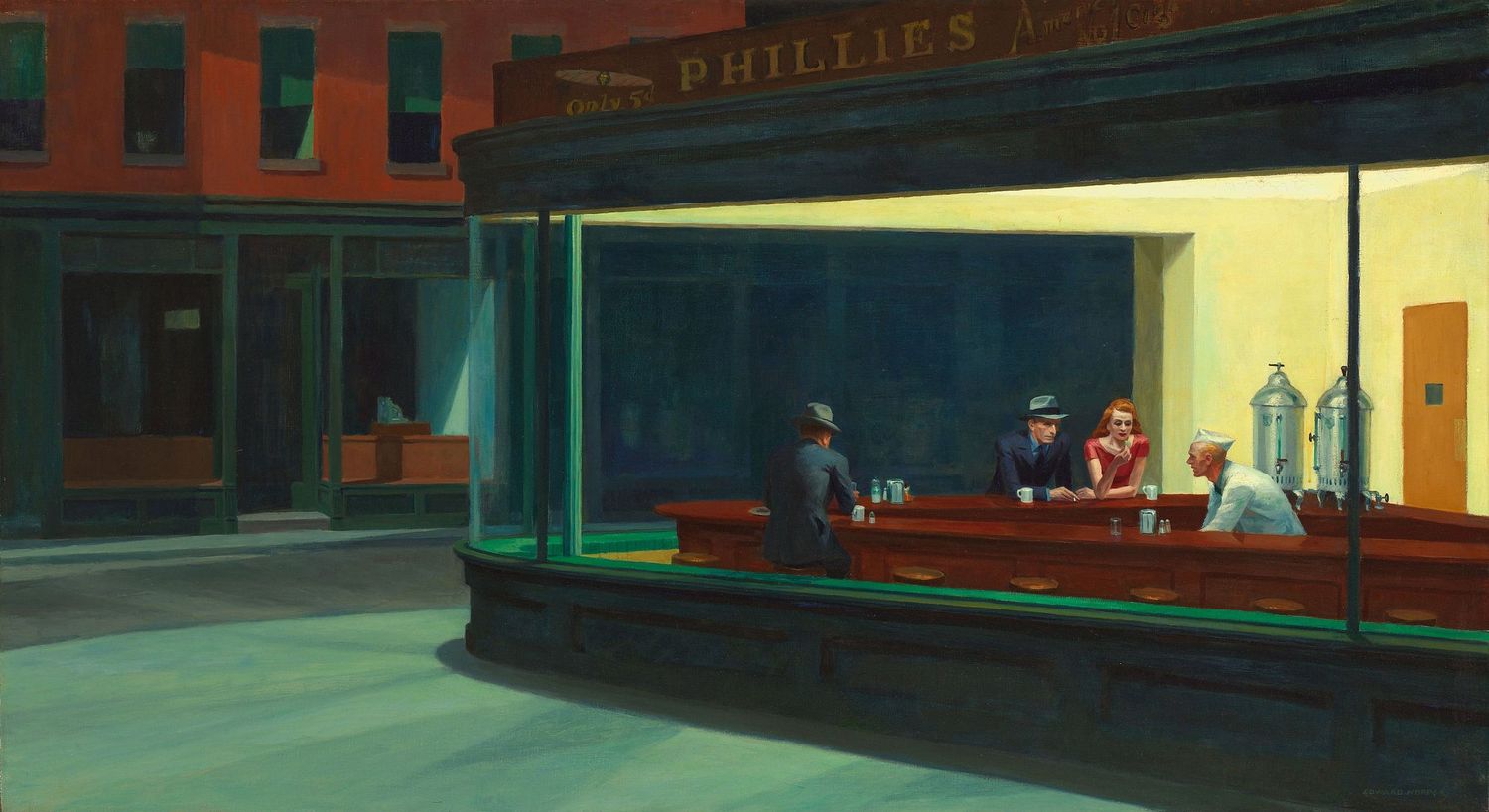
Similarly, think of Edward Hopper's iconic painting, Nighthawks. This depicts a late-night diner scene. If you were actually in that diner on that particular night, you might not have thought much of it. It would have been just another moment in time, likely to be forgotten. But when you view Nighthawks as a work of art, something shifts. Hopper, through his deliberate composition, lighting, and subject matter, has captured not just a scene, but an idea. He's distilled the essence of urban loneliness, quiet contemplation, and the peculiar beauty of late-night solitude. The painting offers a moment that is imbued with a sense of significance, a "divine" quality, as Hegel might put it [3]. It's a reality that is more self-conscious, more reflective, and therefore, in a sense, more enduring and meaningful than the raw experience itself [1].
Hegel believed that art, in its highest forms, presents us with a reality that is more fully realized, more self-aware, and more spiritually significant than the transient moments of our daily lives [3].
So, the next time you're moved by a work of art, whether it's a captivating portrait or a evocative scene, remember Hegel's insight: you might not just be looking at an image; you might be glimpsing a more profound, self-aware, and ultimately, more "real" aspect of existence [2].
Sources
[1] https://plato.stanford.edu/archives/win2021/entries/art-definition/
[2] https://plato.stanford.edu/entries/hegel/
[3] https://plato.stanford.edu/archives/win2017/entries/beauty
About the AuthOr
Huan Liu is a master portrait photographer based in Hong Kong with a background in analytic philosophy.
